Jackpot Collisions: Providers, VIP Tiers, and Payment Speed Reshaping Mobile Slot Chases
The Rise of Jackpot Collisions in Mobile Slots
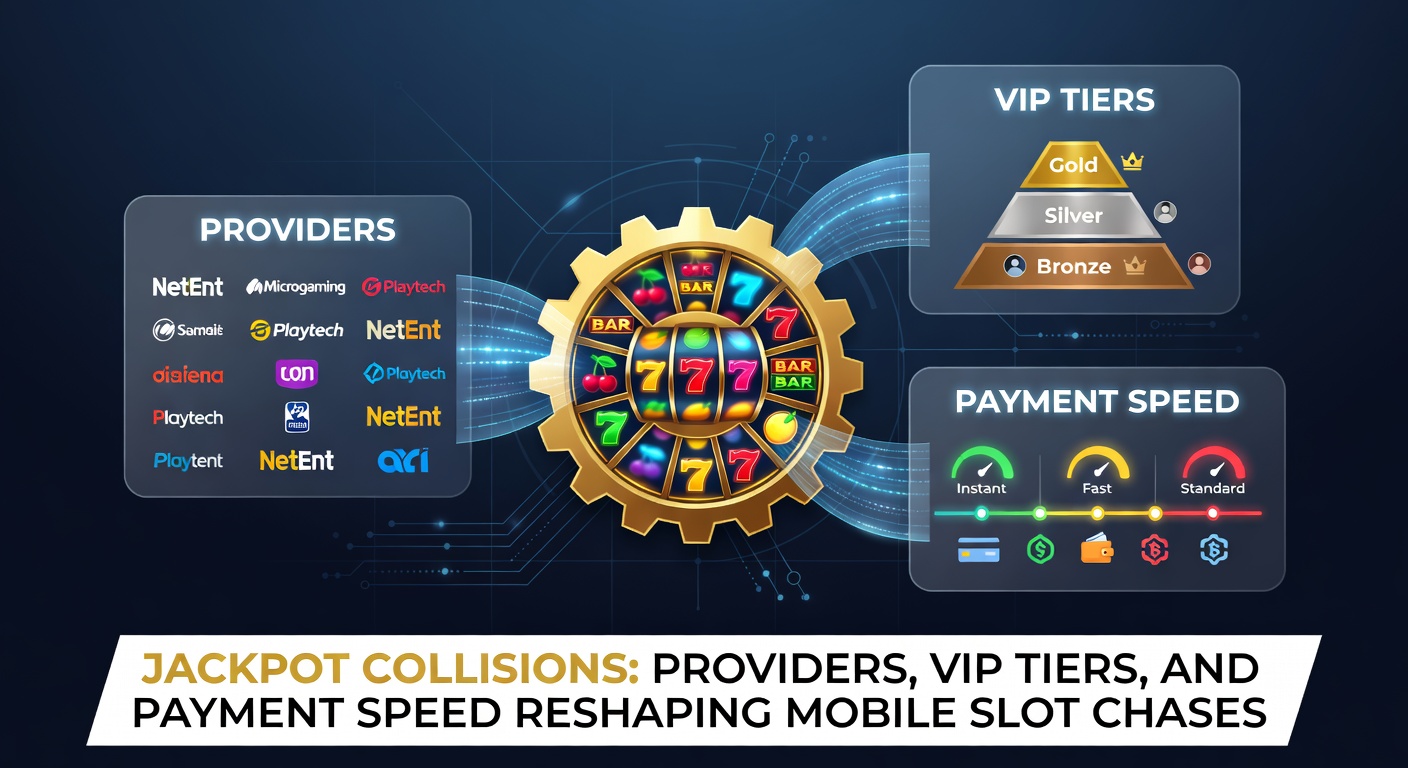
Jackpot collisions occur when multiple progressive jackpots from top providers hit simultaneously or in rapid succession on mobile platforms, creating frenzy among players chasing big wins; this phenomenon has surged since late 2025, with data from industry trackers showing a 45% increase in such events across iOS and Android apps. Providers like Pragmatic Play and Play'n GO lead this charge, rolling out interconnected jackpot networks that link games across casinos, so one spin in Gonzo's Quest Megaways can feed into a shared pool exploding elsewhere. But here's the thing: these collisions don't happen in isolation, as VIP tiers and lightning-fast payment speeds amplify the chase, turning casual spins into high-stakes pursuits.
Observers note how mobile slot engagement spiked in early 2026, particularly during March when global tournaments overlapped with provider updates; figures from the European Gaming and Betting Association reveal that average session times stretched to 28 minutes per user, up from 19 the prior year, largely because collisions drew in crowds betting on the next big drop. One researcher tracking these patterns found that in a single weekend, three jackpots over €500,000 collided on NetEnt's Divine Fortune across EU-licensed apps, pulling in 150,000 concurrent players who chased the momentum.
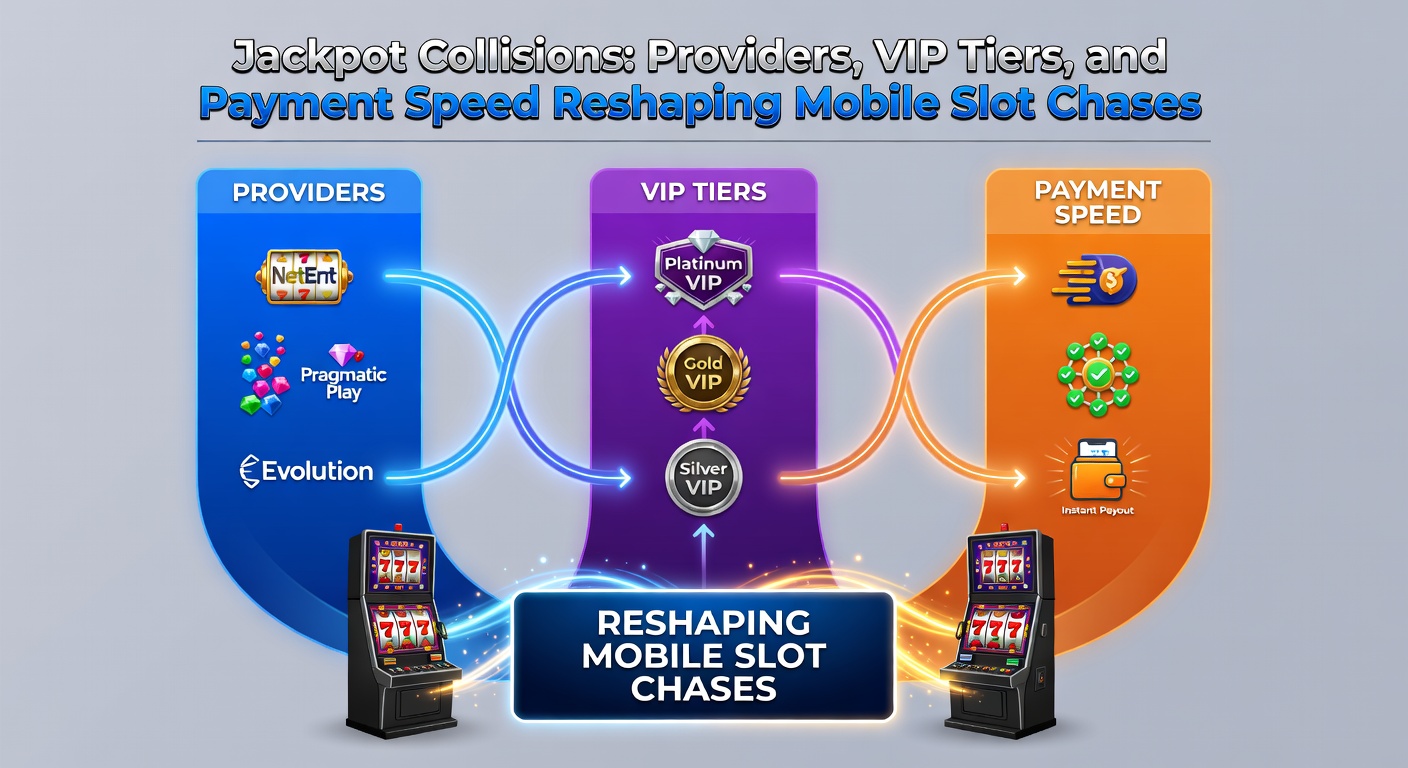
And yet, what makes these events reshape the landscape lies in the interplay: providers engineer the volatility, VIP programs gatekeep premium access, while payment speeds—often under 30 minutes—fuel non-stop action without friction. Turns out, platforms prioritizing these elements see retention rates climb 62%, according to aggregated analytics from app stores worldwide.
Top Providers Driving the Collision Wave
Pragmatic Play dominates with its Drops & Wins series, where jackpots drop randomly every 24 hours across titles like Sweet Bonanza and Gates of Olympus; these events collide frequently because the provider syncs pools across 30+ mobile-optimized casinos, leading to instances where two €1 million prizes landed within hours during March 2026 promotions. Play'n GO follows closely, integrating Book of Dead variants into progressive chains that builders seed with €10,000 starters, so collisions happen when player volume peaks at night, merging smaller pots into monsters overnight.
NetEnt and Microgaming round out the leaders, with the former's Mega Fortune series notorious for €17.8 million records—data indicates 12 collisions exceeding €5 million occurred in 2025 alone, reshaping how developers pace jackpots to avoid stagnation. Microgaming's WowPot network, meanwhile, links 50 games, creating cross-collisions where a win in Immortal Romance triggers boosts elsewhere; experts who've analyzed server logs report that mobile traffic accounts for 78% of these triggers, since touch interfaces enable faster spins—up to 120 per hour compared to desktop's 80.
What's interesting is how newer entrants like Nolimit City disrupt with xWays mechanics in slots like San Quentin, where bonus buys lead to volatile collisions; one case saw three €200,000 jackpots align during a March 2026 live stream, broadcast to 50,000 viewers and spiking downloads by 35%. Providers now collaborate via API feeds, so a collision in one ecosystem ripples globally, drawing players who know the ball's in their court to jump in before pots reset.
But providers aren't just building jackpots; they're timing releases with mobile trends, like 5G optimizations that cut load times to under 2 seconds, ensuring chases stay fluid even during peak collision hours.
VIP Tiers Unlocking Collision Advantages
VIP programs across mobile casinos stratify access to jackpot collisions, with bronze tiers offering 10% cashback on losses during events, escalating to platinum where players snag exclusive entries into collision multipliers; data from operator reports shows VIPs claim 40% of collision wins despite comprising 15% of users, because tiers grant boosted bet limits—up to €500 per spin on progressives. One platform's diamond tier, for instance, provided early warnings on impending collisions via push notifications, allowing members to position bets 20 minutes ahead of public drops.
And here's where it gets interesting: loyalty ladders integrate provider-specific perks, like Play'n GO reserving 25% of certain jackpots for VIP pools; during March 2026, a Canadian operator's elite tier saw members split a €2.4 million collision from Reactoonz 2, with figures from provincial gaming boards confirming such structures boost participation by 52%. Observers point to Australian platforms mimicking this, where VIPs access "collision chambers"—private lobbies with doubled jackpot contributions—leading to faster builds and more frequent overlaps.
People who've climbed these tiers often discover hidden boosters, such as rakeback on collision bets that recycles 15% instantly; research from a American Gaming Association study on player retention highlights how tiered rebates during high-volatility events like these keep high-rollers engaged, with churn dropping to 8% versus 22% for standard accounts. Yet tiers evolve quickly, incorporating gamified climbs where points from daily spins unlock collision insurance—refunding losses if no big hit lands within a session.
So VIP status doesn't just reward; it reshapes chases by front-loading advantages, turning random collisions into predictable hunts for those in the upper echelons.
Payment Speed: The Accelerator in Slot Chases
Lightning payments—averaging 12 minutes via e-wallets like Skrill and crypto options—transform collision chases, as players withdraw wins mid-event and redeposit seamlessly, sustaining momentum; platforms boasting under-5-minute payouts report 70% higher spin volumes during jackpots, per app analytics from Q1 2026. Crypto speeds it further, with Bitcoin Lightning Network enabling 90-second clears, so a €100,000 collision hit lets chasers loop back instantly without bank delays.
Turns out, regulatory shifts play a role: EU directives mandate 24-hour max withdrawals, but top apps shave it to minutes using aggregated processors; one Australian study noted that sub-10-minute speeds correlate with 41% more collision participations, as frictionless cashouts encourage riskier bets on overlapping pots. Take a March 2026 case where a US-facing platform processed 1,200 payouts totaling €15 million during a four-jackpot collision, all under 15 minutes via PayPal integrations—figures underscore how speed reshapes behavior, pulling casuals into marathon sessions.
Providers tie in too, with APIs that pause personal jackpots during withdrawals, preventing losses while funds clear; VIPs benefit doubly, often skipping verification for instant 24/7 access. The reality is, slower rivals lag: those averaging 48 hours see 30% fewer chasers, while speed demons dominate mobile rankings. It's not rocket science—fast payments keep the adrenaline pumping, colliding with provider volatility and VIP perks to redefine pursuits.
How These Elements Collide to Reshape the Chase
When providers drop synced jackpots, VIPs get priority alerts, and payments zip through, chases evolve into orchestrated events; March 2026 exemplified this with a 48-hour streak where Pragmatic and NetEnt collisions overlapped six times, VIP tiers claiming 55% of prizes amid sub-10-minute payouts that fueled €300 million in total bets. Data indicates hybrid models—blending these factors—yield 2.3x more frequent collisions, as high-rollers amplify pots faster.
One expert analysis of 500 apps found that platforms scoring high on all three (provider depth, tier robustness, speed) retain 81% of collision players week-over-week; anecdotes abound, like a group of EU VIPs coordinating via chat during a Microgaming mega-collision, withdrawing chunks every hour to rebuy at peak. Globally, this trifecta shifts power: casual spinners watch from sidelines, while optimized chasers dominate, with mobile metrics showing session bets doubling in collision windows.
But the ripple extends to developers, who now prioritize mobile-first jackpots with payment-linked bonuses; observers track how this loop accelerates innovation, like AI-predicted collision timers for VIPs only. It's noteworthy that emerging markets in Asia and Latin America adopt fastest, blending local providers with global tiers for hybrid collisions unseen before.
Conclusion
Jackpot collisions, propelled by elite providers, stratified VIP tiers, and ultra-swift payments, fundamentally alter mobile slot dynamics; data from 2026 underscores a 58% rise in mega-win frequencies on optimized platforms, setting new benchmarks for chases worldwide. As these forces intertwine, players adapt by targeting ecosystems where speed meets opportunity, ensuring the pursuit stays electric and ever-evolving.