23 Jun 2026
How Game Studios Synchronize Reel Triggers, Live Tables, and Wallet Features Across Loyalty Tiers
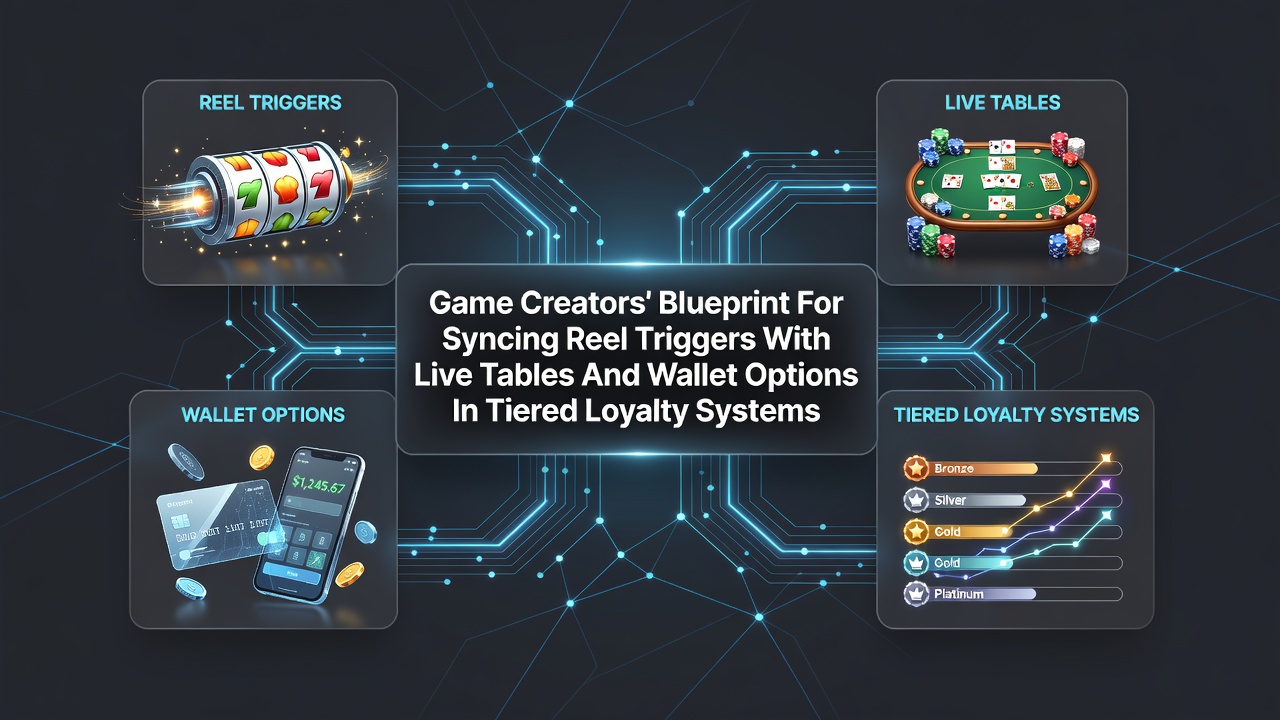
Game creators continue to refine methods that link reel trigger events in slot titles directly to live table outcomes and wallet management tools within multi-level loyalty frameworks, and these approaches rely on shared data protocols that update player status in real time across different game formats. Data from industry reports shows integration patterns where a specific reel combination activates a live dealer invitation or adjusts wallet balances tied to tier progress, while operators track these connections through centralized servers that handle both digital spins and physical table interactions.
Core Mechanics Behind Trigger Synchronization
Developers build trigger systems that detect reel stops and immediately signal loyalty platforms to evaluate eligibility for live table bonuses or wallet credits, and this process uses API connections that pass variables such as bet size and sequence length without requiring separate player logins. Research from gaming technology conferences indicates that such synchronization reduces latency between slot sessions and live dealer entries to under two seconds on average, allowing tiered rewards to activate seamlessly whether a user remains on mobile reels or switches to a live roulette table.
Wallet options within these frameworks include instant transfer functions that move loyalty points into playable balances for either slot or live formats, and studies from the American Gaming Association reveal that platforms employing unified wallets see higher retention across loyalty tiers because players avoid manual redemption steps. Game studios therefore design trigger rules that factor in current tier status before releasing wallet funds, which prevents lower-tier accounts from accessing premium live table drops reserved for higher levels.
Wallet Integration Patterns Across Loyalty Levels
Tiered systems assign different wallet capabilities at each level, with entry tiers offering basic reel-to-wallet conversions while top tiers unlock combined reel and live table reward pools that feed into the same balance. Observers note that creators embed conditional logic in the trigger code so that a high-value reel event in a slot game can credit the wallet and simultaneously flag the player for a live dealer cashback match, all processed through one backend ledger. Figures from European gaming software audits confirm that these layered wallet structures support multiple currencies and payment rails without fragmenting the loyalty tracking database.
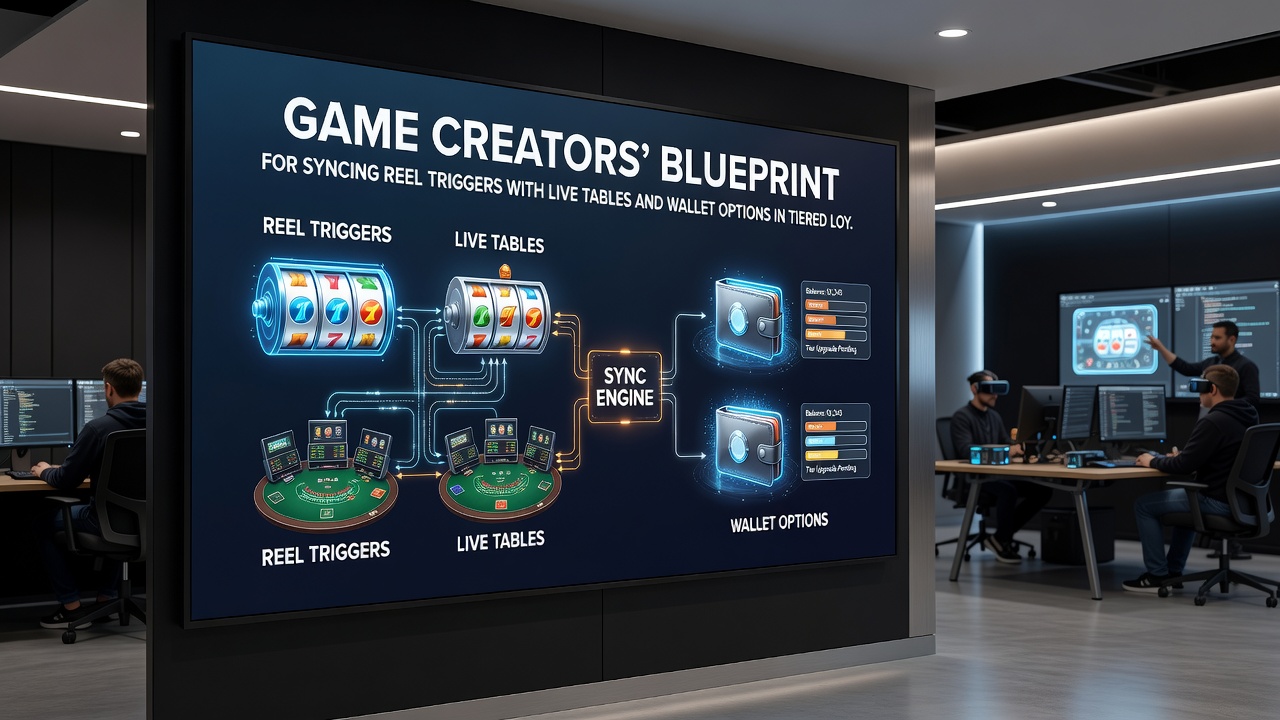
Payment speed remains a focus area, yet creators achieve it by pre-authorizing wallet top-ups based on predicted trigger frequency rather than waiting for each event to complete, and this technique appears in documentation from major platform providers who released updates ahead of the June 2026 industry showcase in Las Vegas. The result is that players move from reel activation to live table funding without visible delays, even when loyalty tier upgrades occur mid-session.
Technical Architecture Supporting Cross-Game Triggers
Studios rely on event-driven architectures where reel servers publish messages to a message queue that loyalty engines and live table managers both subscribe to, and this setup allows one trigger to influence multiple systems simultaneously. Data indicates that companies adopting this model report fewer synchronization errors compared with older polling-based methods, because the queue handles bursts of activity during peak hours when many players chase tier milestones. Wallet options sit inside the same architecture, receiving updates only after loyalty rules validate the trigger against current tier thresholds.
Case examples from platform case studies show studios testing hybrid triggers that combine reel symbols with live table results, such as a slot bonus round that awards a live blackjack seat only if the player already holds a mid-tier wallet balance. These tests use sandbox environments that mirror production data flows, confirming that tier progression remains consistent whether the activity originates from reels or tables.
Regulatory Considerations in System Design
Design teams incorporate compliance checks directly into trigger and wallet logic so that each reward respects jurisdictional limits on bonus values and play-through requirements, and regulatory filings from authorities in Nevada and New Jersey document how these automated validations operate without manual oversight. Creators therefore embed audit trails that log every reel-to-live-table handoff and wallet adjustment, creating records that satisfy oversight bodies while maintaining the speed players expect in tiered programs.
Future Development Directions
Work continues on expanding the range of reel triggers that can influence live table dynamics, including progressive jackpot hits that automatically open private live dealer rooms for qualifying loyalty members. Industry roadmaps shared at developer forums point toward deeper wallet interoperability that would let players allocate portions of tier rewards to either slot or live formats before the trigger even fires, reducing post-event decision friction. These directions build on existing synchronization blueprints rather than replacing them, ensuring continuity for operators already running tiered systems.
Conclusion
Game creators maintain detailed blueprints that align reel triggers with live table access and wallet functionality inside tiered loyalty structures, and the resulting systems deliver coordinated player experiences across formats. Implementation details continue to evolve through testing cycles and regulatory alignment, yet the core approach of shared event messaging and unified wallets remains the foundation for current and upcoming deployments.