4 Jun 2026
Game Providers' Approaches to Coordinating Promotional Spins, Live Casino Access, and Tiered Payout Systems
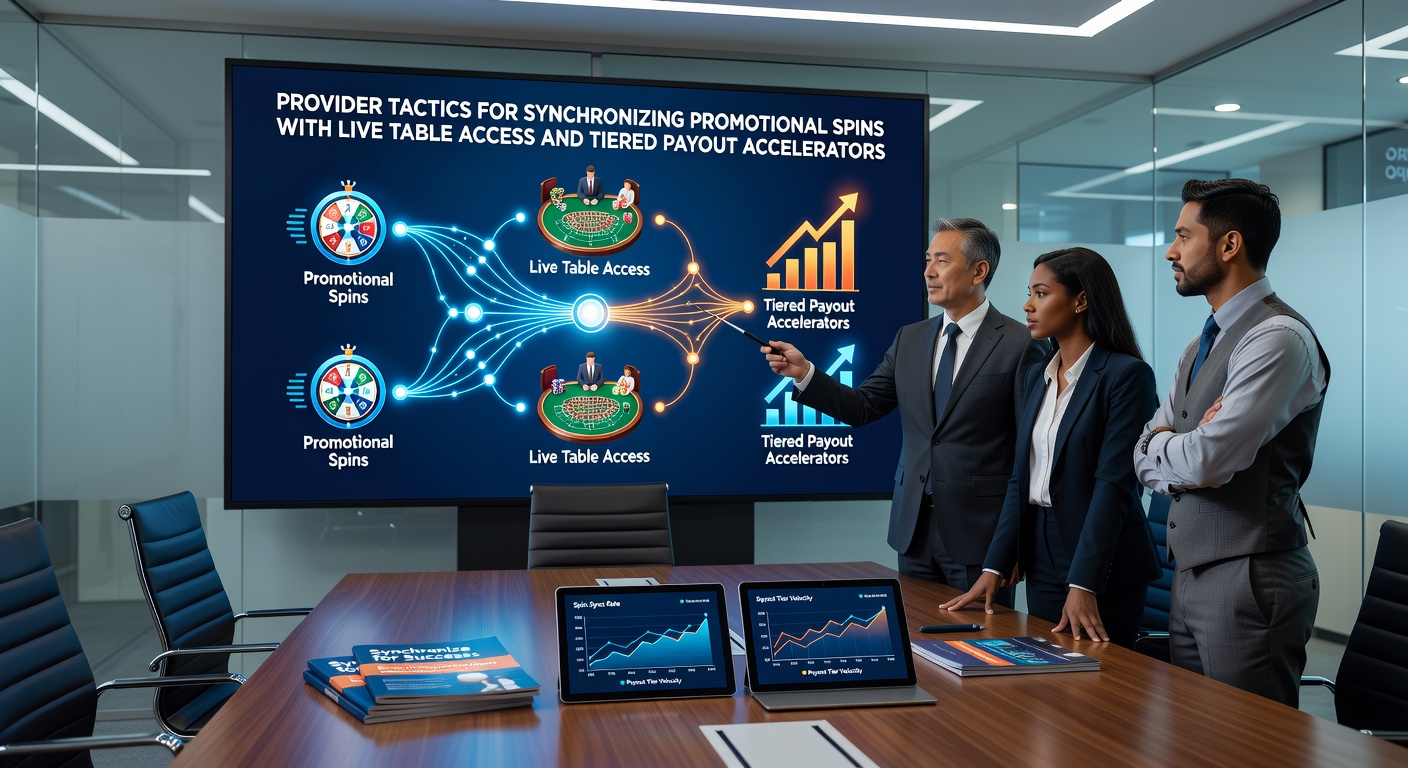
Game providers develop integrated systems that align promotional spin offers in slot titles with direct pathways into live dealer environments while layering accelerated payout features tied to player tiers. These frameworks rely on backend APIs that track spin activations in real time and automatically grant live table entry credits once specific thresholds are met. Data from industry reports shows that such linkages reduce session friction and encourage extended play across verticals.
Core Mechanisms Behind Spin-to-Table Transitions
Providers implement conditional triggers where free spin completions unlock temporary live table access passes, often limited to games like blackjack or roulette with predefined bet ranges. The process uses player behavior logs to determine eligibility, ensuring that promotional value carries over without requiring separate deposits. Studies from research institutions indicate that these automated handoffs increase cross-product engagement by measurable percentages in markets where regulations permit seamless account linking.
Technical setups frequently incorporate real-time dashboards visible to operators, displaying when a player’s spin sequence qualifies them for live dealer drops. And because the same loyalty database governs both slot bonuses and table permissions, higher-tier users receive extended session times or reduced minimum bets upon entry. Observers note that this coordination relies on unified player profiles maintained across mobile and desktop platforms.
Tiered Payout Accelerators and Their Role
Tiered payout accelerators function through progressive loyalty structures that shorten withdrawal processing windows and multiply cashout limits based on accumulated activity points from both spins and live play. Lower tiers might offer standard processing within 48 hours while top levels reduce this to under four hours, with data analytics adjusting multipliers dynamically. Figures from gaming association reports reveal that operators deploying these accelerators see higher retention among users who combine slot promotions with live table sessions.
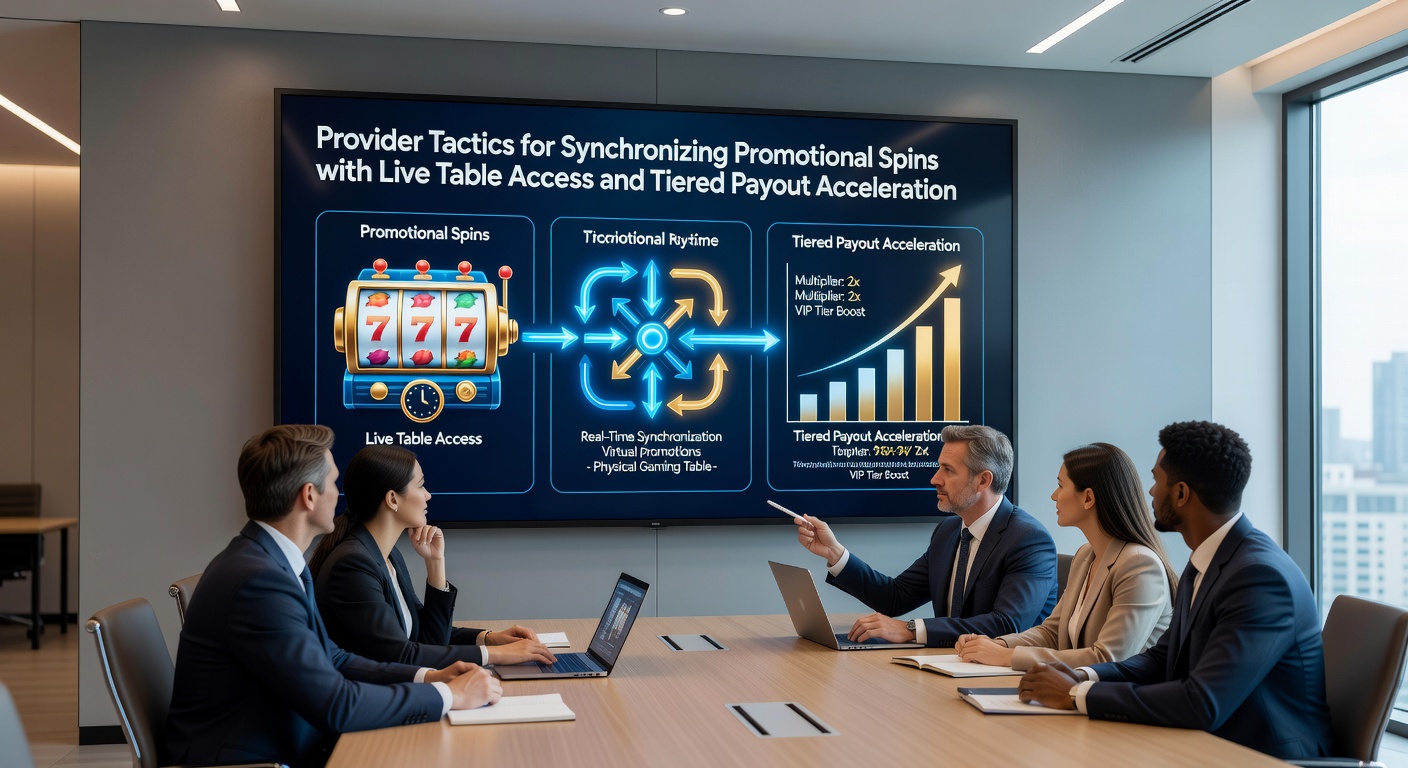
Integration happens via shared reward engines that convert spin-based points into live table credits or instant payout boosts. Providers achieve this by embedding conditional code that monitors live dealer participation immediately after promotional spin rounds conclude. Those who've examined platform architectures find that encryption protocols protect the data flow between these modules while maintaining compliance with regional standards.
Implementation Examples Across Platforms
One documented case involves a major European studio that synchronized spin promotions with live dealer lobbies by mid-2026, resulting in documented increases in table game traffic during promotional windows. The system automatically flagged eligible accounts and pushed notifications that included one-click entry to selected tables alongside tier-based payout speed enhancements. Similar patterns appear in North American markets where state-licensed operators use comparable synchronization to manage promotional compliance.
Canadian regulatory updates around the same period highlighted how tiered accelerators tied to live integration helped operators meet responsible gaming benchmarks by capping accelerated payouts for lower-tier accounts. Researchers discovered that these controls reduced excessive play patterns while preserving the appeal of promotional spins. What's interesting is how the underlying algorithms prioritize session data over raw deposit volume when assigning tier benefits.
Technical and Regulatory Considerations
Backend synchronization demands robust server infrastructure capable of handling simultaneous slot and live stream data streams without latency spikes. Providers address this through distributed cloud setups that route promotional triggers and payout requests across redundant nodes. Reports from academic sources such as those published by teh University of Nevada, Las Vegas International Gaming Institute document performance benchmarks showing sub-second response times for tier verification during peak loads.
Regulatory bodies in multiple jurisdictions require audit trails for every spin-to-table transition and associated payout acceleration. This includes timestamped logs of bonus activations alongside live game participation records. Operators in Australia and parts of Asia have adopted similar frameworks, adapting them to local licensing conditions that emphasize transparent reward distribution.
Future Developments Expected in Mid-2026
By June 2026 several providers plan expanded use of machine learning models to predict optimal moments for triggering live table access following promotional spin sequences. These models analyze historical play patterns to personalize tiered payout offers, aiming to align incentives with individual spending behaviors. Data indicates early pilots achieved modest improvements in session duration without increasing problem gambling indicators flagged by monitoring tools.
Additional refinements include embedding live chat handoffs that carry promotional context from slots into dealer interactions, allowing dealers to reference ongoing spin bonuses during table play. Such features remain under testing in select markets while broader rollout depends on further regulatory review.
Conclusion
Provider tactics for synchronizing promotional spins with live table access and tiered payout accelerators center on unified data systems, conditional triggers, and progressive reward structures. Evidence from multiple regions demonstrates measurable impacts on player movement between game types when these elements operate in tandem. Continued refinement through 2026 focuses on predictive personalization while maintaining compliance with evolving oversight requirements across jurisdictions.