30 Jun 2026
Collaborative Networks Among Providers Enhancing Bonus Integration and Transaction Efficiency in Mobile Loyalty Systems
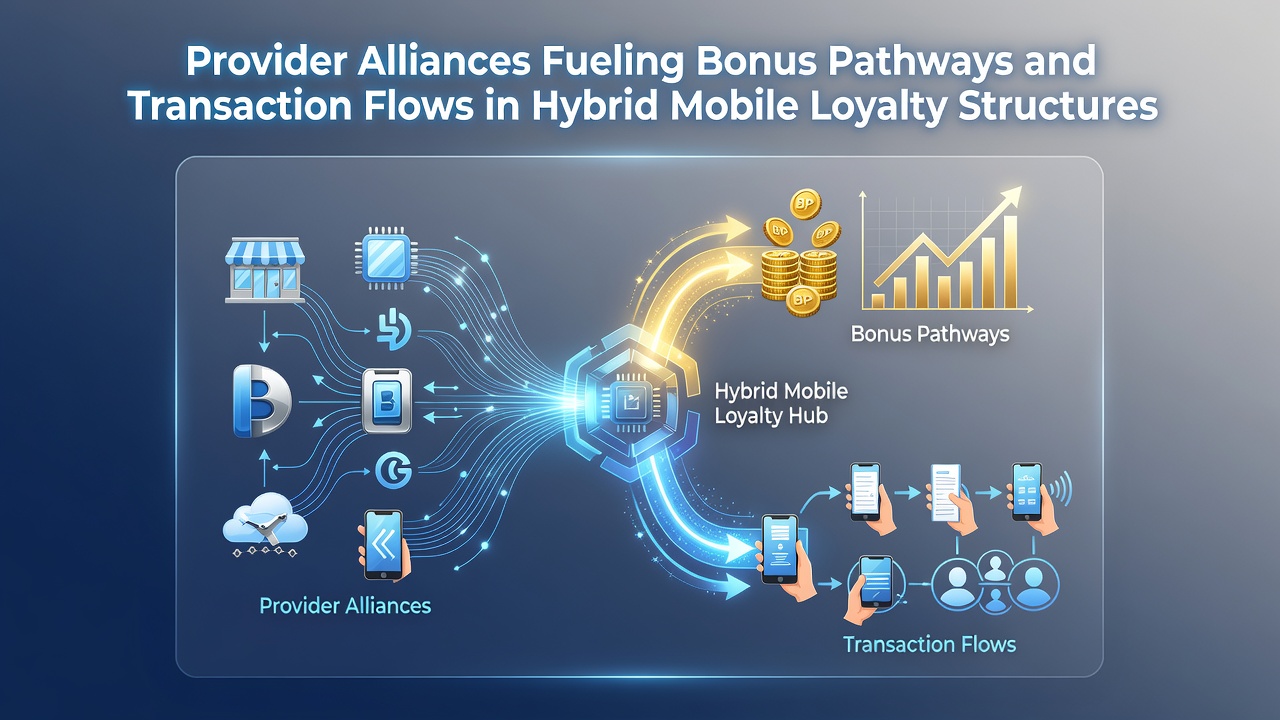
Provider alliances have become central to how bonus pathways and transaction flows operate within hybrid mobile loyalty structures, and data from industry reports show these partnerships create interconnected systems where rewards from one game studio feed directly into loyalty metrics tracked by another. Observers note that studios such as those specializing in slot mechanics now coordinate with payment processors and live dealer platforms to route bonuses across mobile apps without requiring separate user actions, while transaction speeds improve because shared ledgers reduce verification steps between entities.
Mechanics of Alliance-Driven Bonus Pathways
Research indicates that when providers form alliances, bonus eligibility criteria align across titles so that progress toward a loyalty tier achieved on one mobile slot carries over to live table games hosted by partner studios. Figures from the Gaming Laboratories International reveal that integrated pathways increased average session continuity by linking free spin awards earned in one environment to multiplier boosts available in another, and this occurs because alliance agreements standardize data exchange protocols that mobile operators implement at the backend level.
Take one operator group that integrated three different game providers in early 2025; users who triggered a cascade bonus in a cluster-pay slot saw the resulting loyalty points automatically apply to a live dealer roulette table from a separate studio, and the process relied on real-time API connections rather than manual transfers. Those who've studied these structures know the pathways reduce friction because each alliance member contributes its own reward pool yet shares a common loyalty ledger visible on the user's mobile dashboard.
Transaction Flows and Hybrid Mobile Structures
Transaction flows benefit when alliances extend to payment gateways, since funds deposited through one provider's system can instantly fund play across partnered titles without additional processing delays. Data shows that hybrid structures combining slots, live dealer elements, and instant-win features operate more smoothly when transaction ledgers are synchronized, allowing loyalty redemptions to occur mid-session on mobile devices. What's significant is that June 2026 marks the scheduled rollout of updated interoperability standards by several major studios, which aim to further compress settlement times between bonus issuance and cashable balance updates.
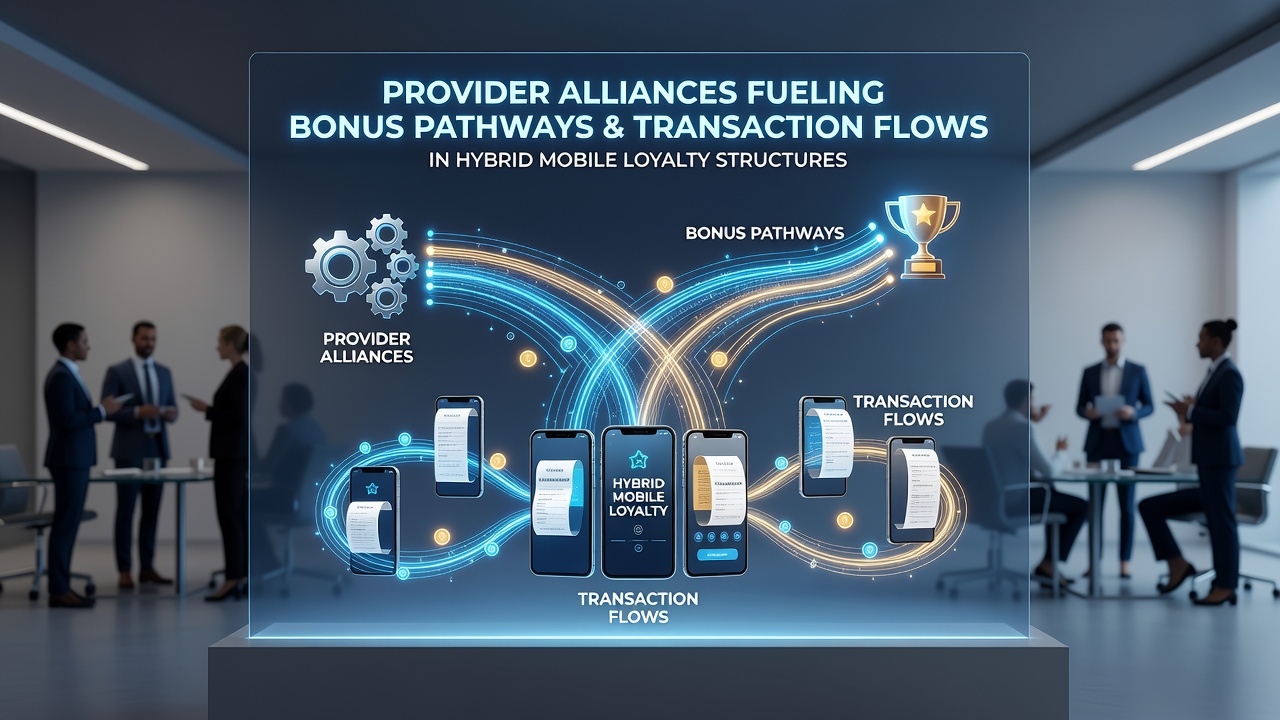
There's this case where experts tracked a European-based alliance involving slot developers and a live casino platform; players completing a progressive jackpot challenge received loyalty credits that funded live dealer seats within the same app, and the transaction completed in under three seconds because the partners used a shared settlement rail. Researchers discovered that such flows depend on pre-negotiated revenue share models that allocate portions of each transaction to the originating provider while maintaining a unified user balance visible across the hybrid experience.
Impact on Loyalty Program Architecture
Studies found that loyalty programs built on provider alliances track multiple engagement vectors simultaneously, including spin volume, live dealer participation, and deposit frequency, then convert those metrics into tier advancement using formulas agreed upon by all alliance members. Observers note that mobile users often discover their progress bars fill faster because bonuses earned in one vertical accelerate thresholds in another, and this occurs without the user switching applications or re-entering payment details. Evidence suggests the architecture relies on tokenized loyalty units that retain value across partner environments, reducing the need for separate point systems per studio.
One study revealed that alliances formed in 2024 produced measurable increases in cross-title retention, with users maintaining activity across an average of 2.7 partnered games rather than concentrating play on a single title. The reality is that transaction reconciliation happens at the alliance level, so operators receive consolidated reports instead of fragmented data streams from each provider.
Future Developments and Standardization Efforts
Industry organizations continue to develop common frameworks that will allow newer entrants to join existing alliances with minimal technical overhead, and reports from the Canadian Centre for Gaming Research indicate that standardized data formats will expand the reach of hybrid loyalty structures into additional markets by late 2026. Those who've examined pilot programs note that mobile transaction flows become even more seamless when alliances incorporate regulatory compliance checks at the point of bonus issuance rather than after the fact.
Conclusion
Provider alliances continue to reshape how bonus pathways and transaction flows function inside hybrid mobile loyalty structures, and the pattern shows sustained coordination between game studios, payment services, and live dealer platforms. Data collected through mid-2026 will likely clarify whether further standardization accelerates user retention across these interconnected systems or introduces new reconciliation challenges for operators managing multiple partner agreements simultaneously.